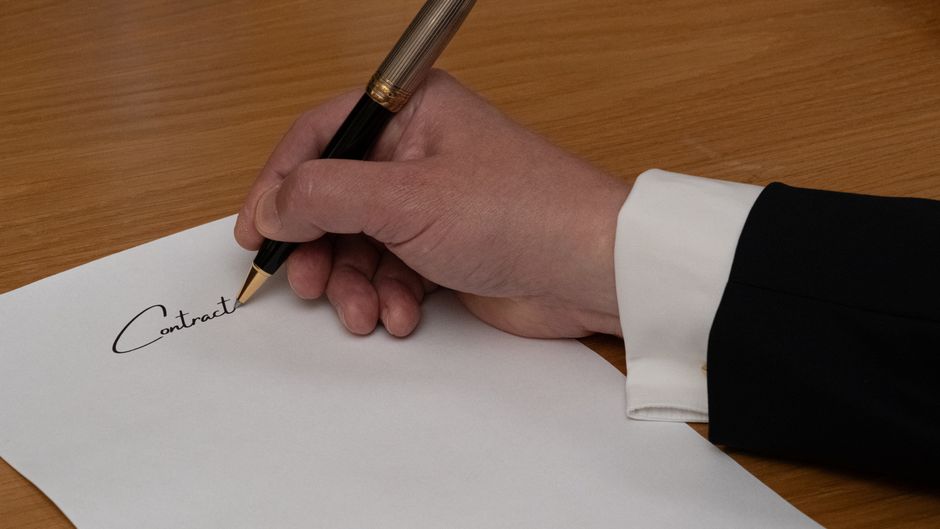
Bloomsbury office cleaning contracts what to know before signing

If you are comparing Bloomsbury office cleaning contracts what to know before signing, you are probably trying to avoid the classic headache: a contract that looks fine on paper, then causes friction once the cleaning starts. Fair enough. In a busy Bloomsbury office, you want dust-free desks, decent communication, and a service that actually shows up on time-without hidden extras creeping in later.
This guide walks through the parts that matter before you sign: how contracts are usually structured, what to check line by line, where costs can drift, and how to judge whether the provider is a good fit for your building, your team, and your working hours. You will also find a practical checklist, a simple comparison table, and the kind of small but important details people often miss until it is too late.
One thing worth saying straight away: a good cleaning contract should make your life easier, not create another inbox to babysit. If it feels confusing from the start, that is usually a sign to slow down.
Why Bloomsbury office cleaning contracts what to know before signing Matters
Bloomsbury is a slightly unusual part of central London in the best possible way. You have professional offices, academic spaces, heritage buildings, shared workspaces, consulting rooms, and buildings where access is tight and expectations are high. That mix makes cleaning contracts more than a simple price comparison.
A contract sets the tone for everything that follows: cleaning frequency, start times, security procedures, restocking, quality checks, cover for holidays, and what happens when something goes wrong. If the agreement is too vague, you can end up with the dreaded "that was not included" conversation. And nobody enjoys that conversation at 8:15 on a Monday morning.
In practice, the right contract helps you protect staff wellbeing, keep clients comfortable, and present the office properly. It can also reduce churn because issues are dealt with consistently instead of being patched up ad hoc. Truth be told, the best contracts are usually the boring ones: clear, specific, and a bit unglamorous.
For Bloomsbury offices, this matters even more if your building has shared entrances, reception desks, sensitive equipment, late working patterns, or cleaners who need to move quietly around occupied space. The contract should fit the building, not the other way round.
How Bloomsbury office cleaning contracts what to know before signing Works
An office cleaning contract is usually a written agreement that defines the service scope, frequency, standards, responsibilities, pricing, and review process. Some are rolling monthly arrangements. Others are fixed-term agreements with a notice period or renewal clause. A few are built around a detailed specification, which is often the better option for larger or busier offices.
At the simplest level, the workflow looks like this:
- You define what needs cleaning, how often, and at what times.
- The cleaning company surveys the site or reviews your requirements.
- A proposal or quote is issued, ideally with a clear scope.
- You compare terms, not just price.
- If you proceed, the contract is signed and the service starts.
- Performance is reviewed against the agreed standard.
That sounds straightforward. In reality, the detail is where things are won or lost. For example, does "daily cleaning" mean every weekday, or does it mean five visits per week with no cover on bank holidays? Are bins emptied in every room or only communal areas? Are washrooms serviced and stocked, or just cleaned? Small wording differences matter.
You should also check whether the supplier offers one-off support alongside regular cleaning. Many businesses in Bloomsbury need more than routine maintenance from time to time, such as deep cleaning before an audit, event, or office move, or specialist help like window cleaning and office cleaning as part of a broader maintenance plan. If those services are likely to come up, it is better to understand the terms early rather than tack them on later.
Key Benefits and Practical Advantages
A well-drafted cleaning contract is not just paperwork. It is a service control tool.
Here is what a strong contract can give you:
- Consistency: the same tasks, same expectations, and fewer surprises.
- Accountability: clear responsibility for what is included, what is excluded, and what gets escalated.
- Better budgeting: more predictable monthly spend and fewer emergency call-outs.
- Higher standards: easier quality monitoring when the scope is written down.
- Less disruption: cleaner timings that suit your team and your building.
- Safer working practices: clearer arrangements around chemicals, access, and reporting.
There is also a softer benefit that people forget. When the office is consistently clean, staff notice. The kitchen smells less stale, reception feels calmer, and the place looks cared for. That sounds simple, but it changes how people experience the working day.
For businesses near Russell Square, Fitzrovia edges, or the wider WC1 area, presentation matters. Clients, academics, consultants, and visitors all pick up on the little things. Smudged glass, a dusty skirting board, or a neglected loo says more than you might want it to.
Who This Is For and When It Makes Sense
This topic is relevant if you manage an office, handle facilities, support an operations team, or need to sign off supplier contracts. It is especially useful if you are:
- moving into new premises in Bloomsbury
- reviewing an existing cleaning supplier
- setting up a service for a shared office or small business
- dealing with recurring complaints about standards
- trying to compare "cheap" quotes that seem oddly different
- responsible for compliance, health and safety, or building operations
It also makes sense if you are in a building where access is awkward. Some Bloomsbury offices are in older properties with narrow stairways, controlled entry, or mixed-use occupancy. In those places, cleaning needs careful planning. A rushed or generic contract can create issues very quickly.
Smaller teams often assume they do not need much detail. In practice, small offices can be the most sensitive to poor service because there is nowhere for mess to hide. One missed kitchen clean, one neglected toilet, and everyone notices. Fast.
If you already know you will need more specialist work from time to time, you may also want to explore related services such as one-off cleaning, after builders cleaning, or carpet cleaning so the contract can be aligned with real operational needs rather than a narrow checklist.
Step-by-Step Guidance
If you are about to sign, work through the contract in order rather than jumping straight to the headline price. That is where people get caught.
1. Define the actual cleaning need
Start with the office as it really functions. How many people use it? Which rooms are busiest? Are there client-facing areas, meeting rooms, kitchens, or washrooms? What gets dirty fastest? A reception area in a Bloomsbury practice will need a different plan from a back-office suite used by a small team.
2. Ask for a written scope of work
The scope should list tasks clearly. Not "general cleaning" but specifics like vacuuming, mopping, washroom sanitising, bin emptying, surface wiping, and replenishment of consumables if included. If you need extras like office cleaners for ongoing support, say so early.
3. Check frequency and timing
Confirm whether visits are daily, weekly, or tailored to occupancy. Also check arrival windows. In central London, access times can matter as much as the cleaning itself. Some sites need early mornings, others evenings, and a few need quiet mid-day attendance with strict sign-in rules.
4. Review exclusions and extras
This is where the small print bites. Does the quote exclude carpet spotting, fridge cleaning, internal glass, or high-level dusting? Are consumables included? Is rubbish removal included, or only waste transfer within the building? Be precise.
5. Look at quality control
Ask how standards are checked. Is there a supervisor? Are there site inspections? Can you report issues in writing? A good provider will have a basic system for feedback rather than waiting for complaints to pile up.
6. Understand who provides what
Some contracts include equipment and chemicals. Others expect the client to supply certain items. That needs to be spelled out. So does who handles keyholding, alarms, and access cards. If your building is sensitive, make sure the handover process is documented.
7. Read the termination and renewal terms
Do not leave this bit until the end, rushed and tired. Check notice periods, auto-renewal clauses, minimum terms, and whether there are exit fees. A flexible contract is not always the best contract, but you should know how to end it cleanly if the service slips.
A simple question helps here: if the service is poor for two months, what actually happens next? If the answer is unclear, the contract is not finished yet.
Expert Tips for Better Results
In our experience, the best office cleaning relationships are built on clarity rather than trust alone. Trust matters, of course. But clarity keeps trust from being tested every other week.
Useful tips before you sign:
- Request a site visit, not just an emailed quote.
- Ask for a task list by room type, especially for kitchens and washrooms.
- Agree a reporting route for missed tasks or damage.
- Make sure the contract names a contact person on both sides.
- Ask whether holiday and sickness cover is included.
- Check whether the provider works with your building's access constraints.
- Keep a simple record of issues during the first month.
If a provider seems reluctant to define the scope, that is not a small thing. It usually means one of two things: they are disorganised, or they are leaving wiggle room for later. Neither is ideal.
Also, do not ignore the human side. A cleaner who understands the building, the people, and the rhythm of the office will usually outperform a provider that is technically cheaper but constantly rotating staff. It is a bit like a good barista knowing your order before you ask. Not magic-just familiarity and consistency.
If your office has mixed flooring or specialist surfaces, it can help to pair routine cleaning with specific services such as hard floor cleaning, upholstery cleaning, or a broader cleaning company that can manage several needs under one agreement.
Common Mistakes to Avoid
Most contract problems are preventable. The awkward bit is that people often realise what they missed only after the first few invoices, or the first complaint from staff.
- Choosing on price alone: the cheapest quote may exclude key tasks.
- Using vague language: words like "regular cleaning" can mean different things to different suppliers.
- Not checking access arrangements: no one wants cleaners waiting outside while the building is locked.
- Ignoring consumables: paper goods and soaps can become a separate cost.
- Forgetting holiday cover: absence planning matters more than people expect.
- Skipping the exit clause: locked-in contracts without performance remedies can become a nuisance.
- Missing waste responsibilities: who handles bagging, sorting, and disposal should be clear.
Another common slip is assuming the proposal covers everything seen on the day of the quote. It rarely does. A meeting room used twice a week is different from one used all day. A pantry is not the same as a kitchen. These sound like tiny distinctions, but they change workloads.
And yes, sometimes the mistake is simply rushing. We all do it. There is a stack of emails, someone wants the contract signed by Friday, and the price looks fine. Then one line in the terms turns into a monthly annoyance. Slow down just enough to stop that happening.
Tools, Resources and Recommendations
You do not need specialist software to manage a cleaning contract well, but a few basic tools help a lot.
- A room-by-room cleaning schedule: keeps the scope honest and easy to review.
- A simple issue log: useful for tracking repeated problems or missed tasks.
- A site access sheet: lists keys, alarms, contacts, and out-of-hours instructions.
- A monthly review checklist: helpful for checking whether the service still matches the agreement.
- A quote comparison table: makes apples-to-apples comparison much easier.
If sustainability matters to your organisation, ask how waste is handled and what products are used. A number of businesses now want greener cleaning routines, reduced single-use waste, and better recycling practices. If that is a priority for you, recycling and sustainability can be part of the conversation from day one rather than an afterthought.
You may also want to understand how the provider deals with financial admin and site security. Pages such as payment and security and pricing and quotes are useful reference points when you are checking how invoicing, deposits, or payment terms are handled. Not glamorous, no, but very worth checking.
If you need reassurance about who you are dealing with, an about us page can help you understand the company background, while insurance and safety details should tell you whether the provider has sensible protections in place for your premises.
Law, Compliance, Standards, or Best Practice
For office cleaning contracts, the key point is not legal drama but sensible due diligence. You want a supplier that follows accepted UK best practice around health and safety, staff training, access control, and safe use of cleaning products. If your building has specific requirements, those should be reflected in the agreement.
At a practical level, the contract should address:
- Health and safety procedures: including safe working methods, spill handling, and reporting hazards.
- Insurance: especially public liability and any other coverage relevant to the site.
- Data and confidentiality: important in offices with sensitive documents or restricted areas.
- Modern slavery and ethical labour practices: especially when selecting suppliers for ongoing services.
- Waste handling: particularly where rubbish, recycling, or specialist disposal is involved.
If your workplace has unusual access or safety constraints, ask how those are managed in practice, not just on paper. For example, can cleaners work around alarms, secure zones, and shared occupancy? Are incidents escalated quickly? Is there a fallback plan if the usual cleaner is unavailable?
In Bloomsbury, many buildings are older and more tightly managed than a standard out-of-town office park. That means the practical stuff matters. A neat contract is good. A contract that works with the building is better.
Options, Methods, or Comparison Table
When signing a cleaning contract, you are often choosing between a few common service models. The right one depends on the building, budget, and how much oversight you want.
| Contract approach | Best for | Pros | Watch-outs |
|---|---|---|---|
| Fixed-term contract | Businesses wanting stable pricing and structured service | Predictable, easy to plan around | Can be harder to exit early if service slips |
| Rolling monthly agreement | Smaller offices or those testing a new provider | More flexible, easier to review | Less price certainty if terms change |
| Specification-led contract | Larger or more complex offices | Clearer scope and stronger accountability | Takes more effort to set up properly |
| Task-based service | Sites with variable occupancy | Good for flexible or mixed-use spaces | Needs very clear definitions to avoid confusion |
For most Bloomsbury offices, the sweet spot is usually a clear specification with measurable tasks and review dates. It gives you enough structure without turning the contract into a small novel. Nobody wants that. Trust me.
If the office needs more than routine upkeep, you might compare add-on services such as carpet cleaner support for stains and wear, office cleaning for standard maintenance, or window cleaning to keep frontage and meeting rooms looking presentable. The point is to make the service fit the actual site, not just a brochure version of it.
Case Study or Real-World Example
Imagine a small professional office near the WC1 campus area with a reception space, two meeting rooms, a kitchenette, and shared washroom access. The team initially accepts a low quote that says "general cleaning three times weekly." Sounds reasonable, right? On week one, the cleaner is punctual but only tackles visible surfaces. Bins are emptied, but the kitchen sink is left with tea residue. Meeting room tables look fine at first glance, but fingerprints build up by Thursday.
By the second month, staff are quietly annoyed. The office manager checks the contract and discovers that consumables, internal glass, and washroom restocking were not included. Worse, there is no clear review process and no agreed escalation route. So the service is not necessarily "bad"; it is simply not the service the team thought they had bought.
Now compare that with a better setup. The second contract includes a room-by-room schedule, a site visit before start, a short weekly feedback form, and a monthly review for the first quarter. The provider knows access times, the standard of finish expected in the reception area, and which areas are client-facing. Issues still happen-of course they do-but they are handled quickly because the framework is already there.
That is the real lesson. A contract does not just purchase cleaning hours. It sets the rules for how problems get solved.
Practical Checklist
Before signing, run through this checklist. It is simple, but it catches a surprising number of issues.
- Have you received a written scope of work?
- Are cleaning frequencies and visit times clearly stated?
- Do you know exactly what is included and excluded?
- Are consumables and waste disposal addressed?
- Is there a process for missed tasks or complaints?
- Have access, keys, alarms, and security procedures been covered?
- Do you understand the notice period and renewal terms?
- Is insurance information available and satisfactory?
- Are health and safety responsibilities clear?
- Is there a named contact for day-to-day issues?
- Have you compared the quote against at least one other option?
- Does the supplier understand the specific needs of your Bloomsbury office?
If you can tick most of those confidently, you are in a much stronger position. If not, slow it down and ask questions. That is not being difficult. That is being sensible.
Get a free quote today and see how much you can save.
Conclusion
Signing an office cleaning contract in Bloomsbury should feel reassuring, not risky. The best agreements are clear, practical, and built around how your workplace actually operates. They protect your standards, reduce friction, and give you a straightforward way to hold the service to account.
If you remember only one thing, make it this: do not buy cleaning in the abstract. Buy a specific routine, at a specific standard, for a specific building. That shift in thinking saves a lot of trouble later.
And if you are still unsure, that is perfectly normal. Contracts deserve a proper look. A calm review today can spare you months of small annoyances tomorrow-and that is a pretty good trade.
Frequently Asked Questions
What should be included in a Bloomsbury office cleaning contract?
It should include the scope of work, cleaning frequency, timing, pricing, exclusions, access arrangements, notice periods, and the process for reporting issues. The more specific the better.
How do I know if a cleaning quote is too cheap?
If a quote is much lower than others, check whether tasks, consumables, waste removal, and cover for absences are included. Cheap can be fine, but only if the scope is genuinely comparable.
Should I choose a fixed-term or rolling contract?
A fixed-term contract can offer stability, while a rolling agreement gives more flexibility. If you are testing a new supplier, a shorter or rolling arrangement is often safer.
What questions should I ask before signing?
Ask what is included, who supplies materials, how issues are handled, what cover exists for holidays or sickness, and how the contract ends if service is not up to standard.
Do office cleaning contracts cover consumables like soap and toilet paper?
Sometimes yes, sometimes no. This needs to be confirmed in writing because consumables can significantly affect the real cost of the service.
How often should an office in Bloomsbury be cleaned?
That depends on occupancy, footfall, client visits, and the type of work done in the office. Busy client-facing spaces often need more frequent attention than quieter back-office environments.
What happens if the service is poor after I sign?
Check the complaint and review process in the contract. You should know who to contact, how quickly issues are expected to be fixed, and whether there is a formal escalation route.
Are cleaning companies insured?
Many are, but you should never assume. Ask for proof of relevant insurance and check that it aligns with the work and the site conditions.
Can I include specialist services in the same contract?
Yes, often you can. Services like carpet care, window cleaning, hard floor maintenance, or deep cleaning may be added if they are agreed in advance.
What is the biggest mistake businesses make?
Usually it is accepting vague wording and focusing only on the price. That often leads to arguments later about what was actually included.
How can I compare two cleaning contracts properly?
Compare the scope, not just the monthly fee. Look at visit frequency, task lists, exclusions, cover arrangements, notice terms, and whether the same standard is being offered in both proposals.
Is it worth asking for a site visit before signing?
Yes, absolutely. A site visit helps the supplier understand access, layout, traffic patterns, and any awkward details that are easy to miss from a floor plan alone.
What if my office has special access or security needs?
Those should be written into the contract. Keyholding, alarms, restricted areas, and entry procedures all need clear instructions so there is no confusion on the day.
Where can I check a provider's company information and policies?
Useful starting points are the provider's complaints procedure, terms and conditions, and contact us page, which should give you a better feel for how they operate and how easy they are to reach.