Camden Council rubbish rules for cleaning waste disposal: a practical guide for residents, landlords and cleaners
If you are trying to work out Camden Council rubbish rules for cleaning waste disposal, you are probably dealing with the messy part after a clean: bags of dust, broken packaging, old cloths, mop heads, empty bottles, maybe even a mattress or a bit of leftover rubble. It sounds simple until you realise not everything can just go in the bin, and not every bin is the right bin. Camden, like other London boroughs, expects waste to be sorted and presented properly, and that matters whether you are cleaning a flat, clearing a home, or managing a commercial property.
This guide breaks the topic down in plain English. You will learn what the rules mean in practice, how to handle different kinds of cleaning waste, common mistakes to avoid, and when a professional service such as deep cleaning or end of tenancy cleaning may create waste that needs a little more thought than usual. Let's face it, rubbish day gets less glamorous every year. Still, if you get this part right, the rest is much easier.
Table of Contents
- Why Camden Council rubbish rules for cleaning waste disposal matters
- How Camden Council rubbish rules for cleaning waste disposal works
- Key benefits and practical advantages
- Who this is for and when it makes sense
- Step-by-step guidance
- Expert tips for better results
- Common mistakes to avoid
- Tools, resources and recommendations
- Law, compliance, standards, or best practice
- Options, methods, or comparison table
- Case study or real-world example
- Practical checklist
- Conclusion
- Frequently asked questions
Why Camden Council rubbish rules for cleaning waste disposal Matters
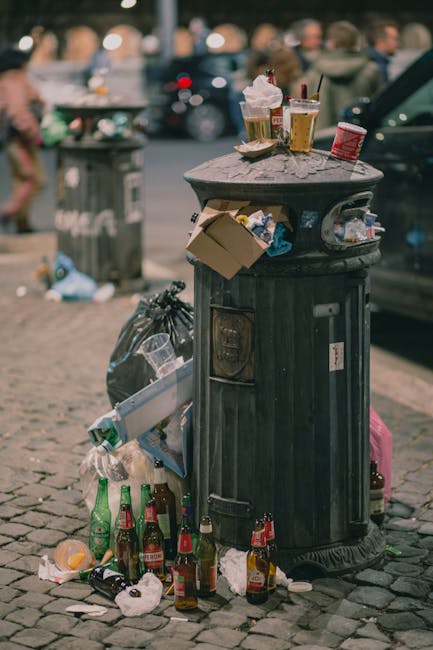
Cleaning waste is not just "a few black bags". In real life, it often includes a mix of general waste, recyclables, food waste from kitchens, bathroom packaging, dust, broken items, textiles, and sometimes bulky rubbish. Camden's rubbish rules matter because they help keep streets cleaner, reduce pests, support recycling, and prevent contamination in the waste stream. They also help you avoid missed collections, complaints from neighbours, or that awkward moment when the bin crew simply refuses the bag. Not ideal.
For households, the rules affect how quickly a clear-up can be finished. For landlords and letting agents, they affect turnarounds between tenancies. For cleaners and property managers, they shape how waste is bagged, stored and handed over. If you are arranging a one-off clean after a busy season, or using one-off cleaning for a spring reset, the waste outcome matters just as much as the spotless result.
There is also a practical money angle. When waste is sorted correctly, you are less likely to need an extra collection or last-minute disposal run. In our experience, people usually notice this only after a clean has finished and they are staring at half a hallway full of bags. Too late then. A little planning upfront saves time, stress, and a bit of cash.
Expert summary: Camden Council rubbish rules for cleaning waste disposal are mainly about sorting waste properly, using the right bins or collection routes, and keeping bulky or specialist items out of normal household rubbish unless the council says otherwise.
How Camden Council rubbish rules for cleaning waste disposal Works
The core idea is straightforward: different types of waste need different handling. Ordinary cleaning waste, such as dust, tissues, food scraps, and small packaging, usually belongs in the normal household bin system. Recyclable items should be separated where possible, and bulky or awkward items often need a different route entirely. The exact collection arrangements can change by property type, bin set-up, and collection day, so it is always wise to check what your building actually uses rather than guessing.
A good way to think about it is this: the cleaner creates the waste, but the property owner or occupier is usually responsible for making sure it is disposed of correctly. That means rubbish should be bagged safely, kept contained, and presented in a way that is reasonable for collection crews. Loose waste is a problem. Overflowing bags are a problem. A cardboard box soaked with cleaning liquid is a problem too, because nobody wants that splitting open on the pavement at 7 a.m.
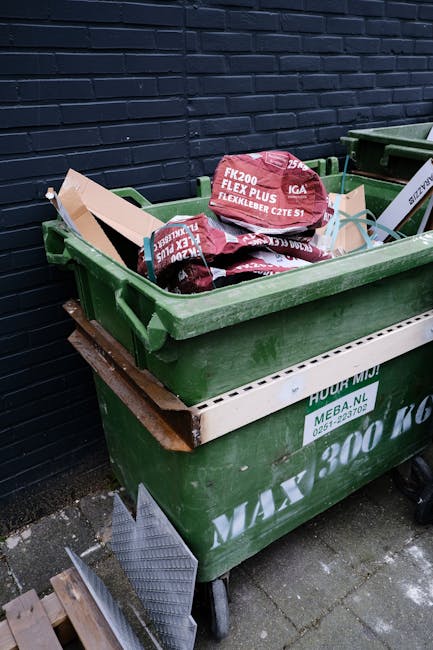
Special attention is needed for cleaning waste from more intensive jobs. For example, after builders cleaning can leave behind dust, plaster bits, adhesive residue, and packaging. That is not the same as standard domestic cleaning waste. Similarly, house clearance and end-of-tenancy clear-outs may include bulky items, mixed materials, and objects that need sorting before disposal.
In practice, the process usually looks like this:
- Separate ordinary waste from recyclables and bulky items.
- Bag loose debris so it cannot spill out.
- Keep liquids sealed and away from dry waste.
- Store bags where collection crews can access them safely.
- Use a bulky waste route or specialist disposal where required.
If you clean regularly, a more structured service such as domestic cleaning or house cleaning can make waste management less chaotic, because waste is generated and removed in a more predictable rhythm.
Key Benefits and Practical Advantages
Getting cleaning waste disposal right is not just about rules. It makes everyday life smoother.
- Cleaner shared spaces: Hallways, bin stores and pavements stay tidier.
- Less contamination: Recyclables have a better chance of being recycled properly.
- Fewer missed collections: Bags presented neatly are far more likely to be taken.
- Lower pest risk: Sealed and timely disposal reduces the chance of attracting vermin.
- Less stress during move-outs: Particularly helpful for tenants and landlords juggling deadlines.
- Better working conditions: Cleaners, caretakers and residents are not tripping over waste bags all day.
There is also a quality-of-service benefit. If you are booking specialist help, such as end of tenancy cleaning or deep cleaning, a clear waste plan keeps the job feeling finished rather than half-done. You know the type of job where the bathroom shines but the kitchen still has three bin bags by the back door. Nobody wants that.
A simple, well-managed disposal routine can also help protect flooring, lifts and communal entrances. This is especially relevant in flats and mansion blocks around Camden, where one careless bag can make a corridor look untidy in seconds. A tidy disposal routine, weirdly enough, makes the whole place feel calmer.
Who This Is For and When It Makes Sense
This topic is relevant to far more people than you might expect. If you live in Camden, rent there, manage property there, clean there, or run a business there, these rules touch you sooner or later.
- Residents: Anyone dealing with weekly household rubbish, spring cleaning, or room-by-room decluttering.
- Tenants: People moving out who need to leave the property clean and waste-free.
- Landlords and letting agents: Those arranging between-tenancy clear-ups or post-occupancy cleans.
- Cleaning companies: Teams that generate waste during routine or specialist work.
- Office managers: Businesses that create packaging, paper waste, and periodic bulky items.
- Property owners after renovations: Anyone facing dust, rubble, and leftover materials after work is done.
If your job involves heavier or messier waste streams, the rules matter even more. A flat clean is one thing. A post-renovation or office clear-up is another. A company offering office cleaning or office cleaners will usually need to think in terms of segregation, access, and responsible handover of waste, not just wiping surfaces.
And yes, if you only have a couple of bathroom wipes and an empty spray bottle, this may feel overkill. But once the waste adds up, the difference becomes obvious.
Step-by-Step Guidance
Here is a practical way to handle cleaning waste disposal without overcomplicating it.
1. Identify the waste type first
Start by asking what you actually have. General waste? Recyclables? Food waste? Bulky items? Building debris? A mix of everything? The answer changes what you do next. This sounds basic, but it prevents most problems before they start.
2. Separate recyclables from rubbish where possible
Cardboard, clean plastic packaging, glass and certain paper items should be separated if your setup allows it. Dirty or contaminated items may not be recyclable, so do not assume everything with a logo on it belongs in recycling. A used paper towel covered in cleaning solution, for example, is usually not going there.
3. Bag loose waste securely
Use strong bin bags, tie them properly, and avoid overfilling them. Overstuffed bags split. Split bags spill. Spilled waste becomes a neighbour issue very quickly, especially in narrow stairwells or shared bins.
4. Keep liquids sealed
Cleaning fluids, leftover solutions, and wet cloths should be contained so they do not leak into dry waste. If a bottle still has liquid inside, close it properly and follow the product instructions. Do not pour random chemicals together. That way lies trouble, and a bad smell no one wants on a Monday morning.
5. Use the right route for bulky waste
Large items such as mattresses, broken furniture, or old appliances usually require special handling. If your clean has uncovered bulky waste, do not leave it beside a normal bin and hope for the best. Decide whether it needs separate collection, reuse, donation, or another lawful disposal route.
6. Store waste safely until collection
Keep waste out of walkways and away from anything that could be damaged. In flats, this often means waiting until a designated collection time or using the building's bin store properly. In houses, it may mean putting bags out only when collection is due.
7. Confirm the end state
Before you call the job finished, take one last look. Is there any waste hiding behind a sofa, under a sink, or in a rear yard? Small oversights are common. A quick final sweep saves you from a return visit later.
Expert Tips for Better Results
From a practical cleaning and waste-handling point of view, a few habits make life much easier.
- Work room by room: It keeps waste sorted at the source instead of turning the entire property into one giant pile.
- Use separate bags for different streams: One for general waste, one for recycling, one for items to keep or donate.
- Label the awkward stuff: A quick note like "glass" or "electricals" stops people from binning it carelessly.
- Do not leave waste overnight if you can avoid it: Especially food waste or wet debris. Smells travel.
- Protect the route out: Heavy bags on old stairs or polished floors can cause damage, and nobody enjoys that repair bill.
- Plan for the unexpected: Old curtains, broken coat hangers, hidden packaging under beds. There is always one surprise item. Always.
If you are booking a cleaner for a more involved job, ask how they handle rubbish during the visit. A reliable service should be able to explain what they can bag, what they can separate, and what must stay with you for council collection or specialist disposal. That kind of clarity matters more than a flashy sales pitch.
For delicate or fabric-heavy jobs, services like carpets cleaner, sofa cleaning, or upholstery cleaning can reduce the amount of throwaway material created, because well-cleaned furnishings often do not need replacing so quickly.
Common Mistakes to Avoid
Most disposal problems come from the same handful of mistakes. Once you know them, they are easy enough to avoid.
- Mixing everything into one bag: This makes recycling harder and can cause contamination.
- Leaving sharp or broken items loose: That is a hazard for cleaners, residents and collection crews.
- Assuming bulky waste is normal rubbish: It often is not.
- Overfilling bags: They split at the worst possible moment, usually on the stairs.
- Putting liquid waste in an open bin: Leaks spread fast and smell worse than you expect.
- Blocking access routes: Bin stores, corridors and exits need to stay clear.
- Ignoring mixed waste from cleaning jobs: A clean can generate a surprisingly varied pile if you are not watching.
Another common mistake is leaving waste handling until the end of the clean. That is how a straightforward job becomes a scramble. A better approach is to deal with rubbish continuously as you go. It keeps momentum and reduces the chance of reworking a room after it has already been cleaned.
Tools, Resources and Recommendations
You do not need a complicated kit, just the right basics. Truth be told, a lot of waste-handling problems vanish with a decent supply of bins and bags.
- Strong bin bags: Choose bags that can handle wet cloths and heavier debris without tearing.
- Separate containers: Useful for recyclables, sharp waste, and items awaiting decision.
- Gloves: Handy when sorting unknown waste or dusty leftovers.
- Labels or marker pens: Very practical for mixed clear-outs.
- Dustpan and brush or vacuum: For gathering fine debris before it becomes a mess again.
- Reusable boxes or crates: Good for carrying items to keep, donate or relocate.
If you are organising waste as part of a broader cleaning programme, it can help to use services that already think in systems. A business focused on cleaning company support, or homeowners booking home cleaners, may prefer a regular process that keeps rubbish under control from the start.
For sustainability-minded households, you may also find value in reading your chosen provider's recycling and sustainability information. Even when waste is unavoidable, there is usually a more thoughtful way to handle it than the default "all in one bag" approach.
Law, Compliance, Standards, or Best Practice
Without getting too legalistic, the safest way to think about Camden Council rubbish rules for cleaning waste disposal is this: waste should be stored, sorted and presented responsibly, and specialist waste should be treated with extra care. UK waste expectations generally place responsibility on the person producing or controlling the waste to make sure it is handled correctly. That does not mean you need to be a waste-law expert. It does mean you should not treat every item the same way.
Best practice usually includes:
- keeping waste secure so it does not escape into shared spaces;
- separating recyclable and non-recyclable materials where practical;
- avoiding contamination of recycling bins with food, liquids or mixed debris;
- using appropriate disposal routes for bulky, hazardous or electrical items;
- following building rules where communal bin stores or collection windows apply;
- making sure anyone helping with cleaning understands the disposal plan.
If you are a business or landlord, it is sensible to keep waste handling consistent. That includes staff training, simple written routines, and a clear expectation that rubbish will not be dumped in the nearest bin just because it is convenient. Convenience is great until it causes a complaint. Then it is not so great.
For client-facing businesses, good waste practice also supports health and safety. A tidy work area reduces trip hazards, mess, and pest risk. If you run a premises that needs regular maintenance, services like facade cleaning or hard floor cleaning can be part of a broader cleanliness standard where waste, hygiene and presentation all work together.
Options, Methods, or Comparison Table
There is more than one way to deal with cleaning waste, and the best choice depends on volume, type and urgency. Here is a simple comparison.
| Method | Best for | Advantages | Limitations |
|---|---|---|---|
| Household bin collection | Small amounts of general cleaning waste | Simple, familiar, low effort | Not suitable for bulky items or mixed debris |
| Separated recycling | Clean cardboard, plastic packaging, glass, paper | Supports recycling and keeps waste streams cleaner | Contamination can make it unusable |
| Bulky waste route | Furniture, mattresses, large mixed items | Designed for larger items that normal bins cannot take | May require planning and separate collection |
| Specialist clean-and-clear service | After builders, void properties, heavy clear-outs | More efficient for complex jobs | Costs more than a simple bag-and-bin approach |
For a routine home clean, the first two options are usually enough. For a more demanding situation, such as a packed move-out or post-renovation tidy-up, the latter two become much more realistic. If the property has awkward access, steep stairs, or a tight bin store, that also pushes you toward a more structured plan.
Case Study or Real-World Example
Imagine a two-bedroom flat in Camden after a long tenancy. The property has kitchen packaging, broken storage boxes, a few worn cleaning cloths, an old toaster, and a bag of dust and debris from a shelf overhaul. On paper, it sounds manageable. In the room, it feels like a lot more, especially when you are standing there with two carrier bags and nowhere obvious to put them.
The sensible approach would be to sort the items before touching the bin store. Packaging goes one way, the toaster another, and the dusty debris is bagged tightly as general waste. If the toaster is electrical, it should not be shoved in with food wrappers. If the bags are too heavy, split them. If the building has collection timing rules, wait for the right window rather than leaving bags in the corridor all afternoon.
That kind of process keeps the flat tidy, protects the shared entrance, and reduces the chance of a follow-up issue. It also makes the final handover feel calm, which is a bigger deal than people admit. A clean property with rubbish still hanging around does not feel finished. A proper waste clear-down changes that.
For larger post-occupation situations, a combination of house clearance and end of tenancy cleaning is often the more practical route, especially when the volume of waste has outgrown ordinary weekly collection.
Practical Checklist
Use this quick checklist before you finish a cleaning job or put bags out for collection.
- Have I separated general waste from recycling?
- Are any bags overfilled or likely to split?
- Have I sealed liquids and contained wet cloths?
- Are sharp or broken items wrapped safely?
- Do any items need bulky waste handling instead of normal collection?
- Is the bin store or collection point clear and accessible?
- Have I removed waste from all rooms, corners and cupboards?
- Does anything need to be kept, donated or recycled separately?
- Have I checked the building's collection timing or bin rules?
- Would a second quick sweep save trouble later?
If you can tick most of those off, you are in good shape. If not, pause and sort the loose ends now. Five extra minutes here can save a whole afternoon later.
For a cleaner, more reliable result, pair good waste sorting with the right cleaning plan, whether that is regular upkeep or a more intensive service from cleaners.
Get a free quote today and see how much you can save.
Conclusion
Camden Council rubbish rules for cleaning waste disposal are really about common sense made practical: sort waste properly, keep it contained, respect collection arrangements, and do not treat bulky or mixed items like ordinary bin waste. Once you understand those basics, everything becomes easier. The clean looks better, the property feels calmer, and the waste side stops becoming an afterthought.
Whether you are tidying a flat, managing a tenancy change, or dealing with a bigger clear-up, a simple disposal plan saves hassle. And if you are in doubt, slow down rather than guessing. That is usually the right move. A little care at the waste stage goes a long way, and honestly, it leaves the whole job feeling finished in the best possible way.
Frequently Asked Questions
What counts as cleaning waste under Camden Council rubbish rules for cleaning waste disposal?
Cleaning waste usually includes dust, used cloths, empty packaging, food scraps, paper towels, and other debris created during cleaning. It can also include bulky items or mixed waste if you are doing a deep clean or clear-out.
Can I put all cleaning rubbish in one bag?
For small amounts of general waste, you may be able to use one bag, but it is usually better to separate recyclables, liquids and bulky items. Mixed bags are harder to dispose of properly and can cause contamination.
What should I do with old cleaning bottles and sprays?
Check whether the bottle is empty and whether any liquid remains sealed inside. Do not mix chemicals together. If a product is still partly full, keep it contained and follow safe disposal practice rather than tipping it into general rubbish.
Do tenants or landlords have to handle waste after an end-of-tenancy clean?
Usually, the person responsible for the property or the agreed arrangement between tenant and landlord determines who handles disposal. In practice, the waste should be removed as part of the move-out process so the property can be handed back clean and clear.
What is the best way to get rid of bulky rubbish from cleaning?
Bulky rubbish normally needs a separate collection route or specialist disposal method. Do not leave large items beside normal bins and assume they will be taken. Furniture, mattresses and similar items need a more suitable plan.
Can cleaners take waste away for me?
Some cleaners may bag and gather waste as part of the job, but waste removal arrangements depend on the service, the job type and what is permitted. Always confirm in advance rather than assuming it is included.
Why does Camden Council care how cleaning waste is presented?
Because proper presentation helps collections run smoothly, reduces mess on streets, lowers pest risk, and supports recycling. Loose or overflowing waste is more likely to be refused or to create problems for neighbours and crews.
How do I avoid recycling contamination during a big clean?
Use separate bags or boxes for clean recyclables, keep food or liquid waste away from recycling, and do not put dirty paper or wet cloths into recycling bins. If in doubt, leave questionable items out of the recycling stream.
Is after builders waste treated differently from normal cleaning waste?
Yes, usually. After builders cleaning can produce dust, rubble, packaging and adhesive residue, which is not the same as everyday domestic waste. It often needs more careful sorting and sometimes a separate disposal route.
What is the simplest way to stay compliant without overthinking it?
Sort waste by type, keep it contained, avoid overfilling bags, and use the right disposal route for bulky or unusual items. That simple routine handles most situations well and keeps you on the safe side.
Does regular domestic cleaning create much rubbish?
Not usually, but it still creates small waste streams such as dust, packaging and occasional broken items. Regular domestic cleaning is easier to manage when rubbish is dealt with as part of the routine rather than left for the end.
What should I do if my building has strict bin store rules?
Follow the building rules first. Bin access times, storage spaces and collection days can be just as important as the council guidance itself. In shared buildings, a small mistake can affect everyone, so it is worth being extra careful.